Author: Andrew Zancenko

  • Building a Powerful Spreadsheet Import System for Complex GRC Records

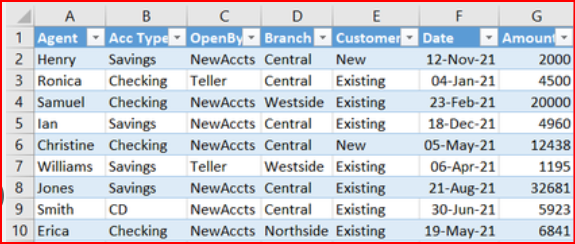
    Managing large volumes of interconnected GRC records is typically painful. Users often rely on spreadsheets to manage controls, requirements, mappings, or entire libraries before bringing them into a centralized platform. The challenge is building an import process that is flexible enough to support complex hierarchies, easy enough for non-technical users, and reliable enough to ensure correct tenant scoping and data validation.

    (more…)
  • Adding Interactive Sheets to GRC Platform: A Complete Implementation Guide

    Modern GRC platforms are evolving rapidly as teams demand more flexibility in how they capture, review, and manipulate operational data. While structured fields remain essential, users increasingly want a dynamic area where they can model calculations, track notes, compare values, or collaborate on process details—without leaving the system. Spreadsheet-like interfaces are the natural solution. They’re intuitive, powerful, and require almost no training. Integrating an embedded spreadsheet per record or requirement can dramatically improve the usability of a GRC system, especially one that handles complex workflows or documentation management.

    (more…)
  • GRC Overview

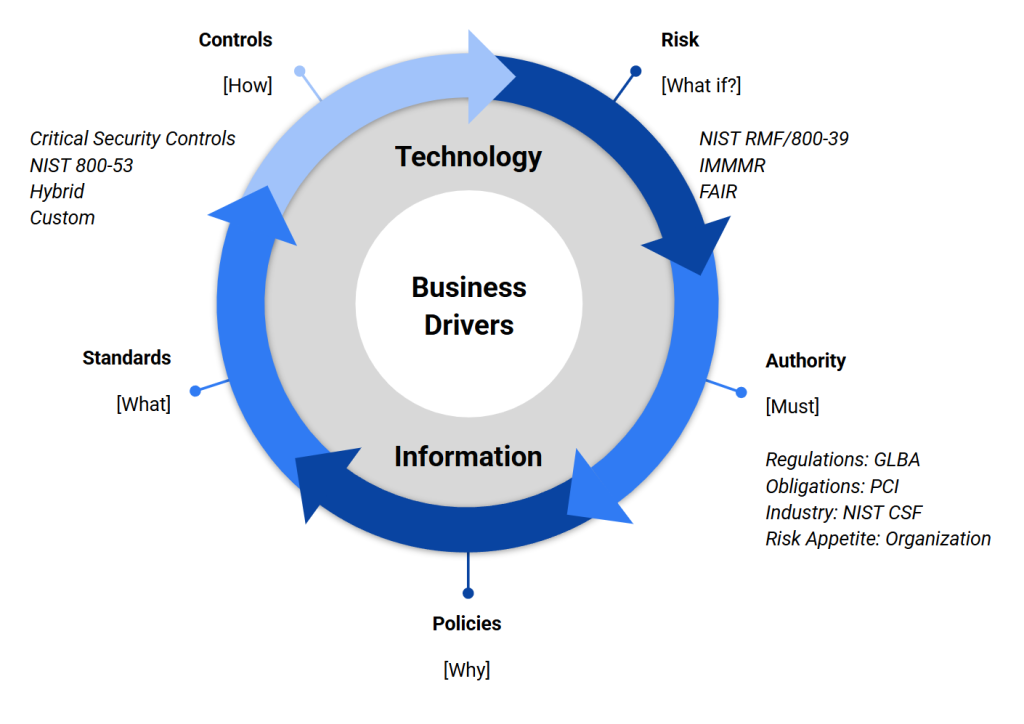
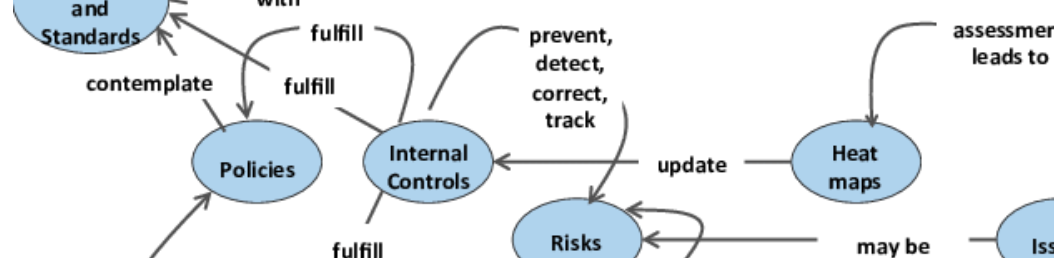
    In this post I will write about GRC and how it works.

    While not overly encompassing, it will describe major GRC components and how they connected.

    Governance vs Management

    (more…)
  • Sankey for MapGRC


    Project: MapGRC (Laravel 12, Multi-Tenant)
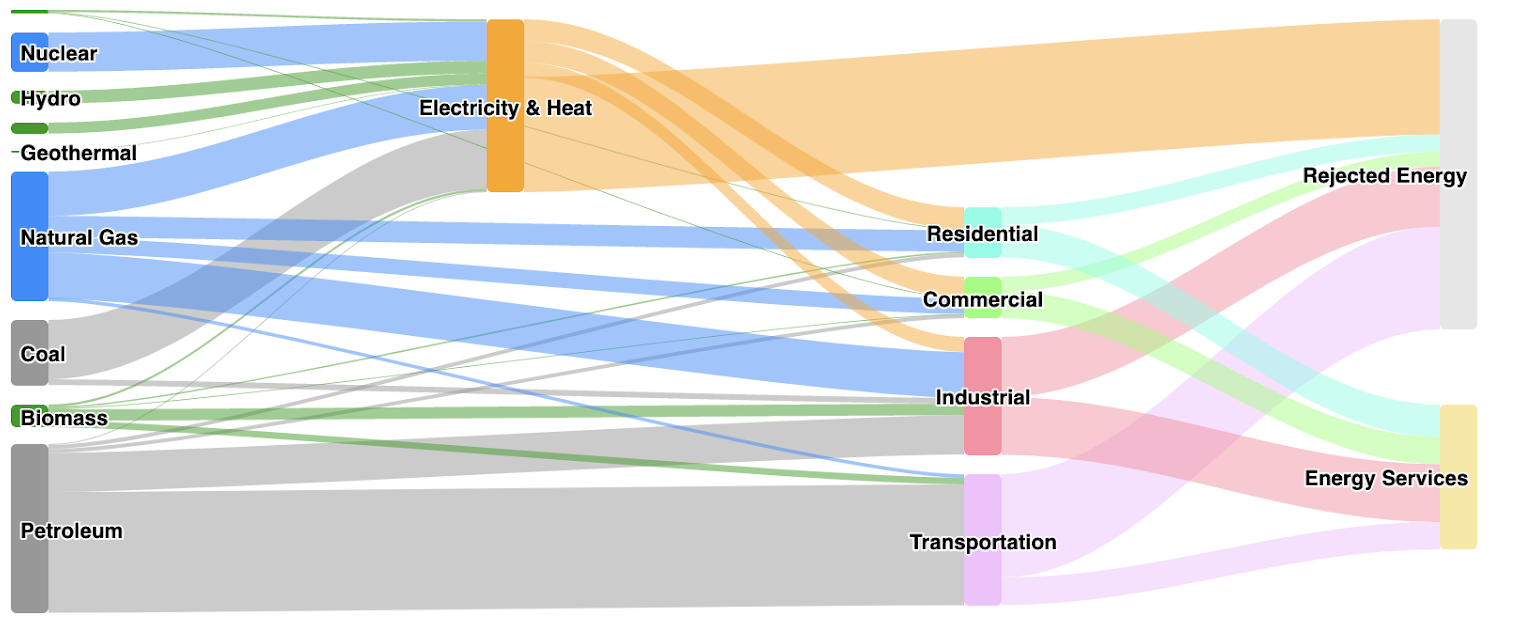
    Feature: Dynamic Sankey Diagram Visualization Page
    Goal: To create an interactive Sankey diagram that visually represents relationships between GRC entities (Libraries, Types, Objects, and Requirements) across user-defined steps or sections, allowing users to explore complex mappings in a structured, intuitive, and analytical way.

    (more…)
  • Comments module design and specifications

    When you’re building out a GRC platform, you eventually hit that moment where “leaving notes” isn’t enough. Records, requirements, risks—everything ends up needing proper conversation around it. And that conversation has to live with the object, not in someone’s inbox or a random Slack thread. After ignoring this part for way too long, I finally decided to build a proper comments module that feels native to the way the rest of the platform works.

    (more…)
  • Mappings(Relations) Functionality for GRC Platform

    GRC platforms are designed to allow relations between various GRC objects. Controls might be linked to assets, risks, organizations, Authority etc.

    To provide the ability to manage mappings efficiently, the Mappings functionality should be available and also very user friendly. Mappings should not only be available from within the object, but rather implemented as a mappings layer, where any object can be quickly selected and mapped to another object.

    (more…)
  • RACI – common GRC functionality

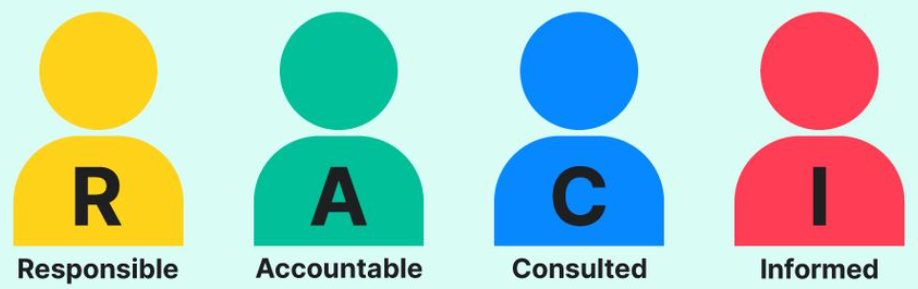
    RACI shall be embedded into each GRC object. Any control, risk, asset etc. should have RACI associated with it.

    (more…)
  • GEC Platform User Management

    While user management is part of any system, implementing such functionality is vital and needs to align with platform capabilities and would also integrate with Roles, Permissions and also Groups capabilities.

    (more…)
  • Glossary – module

    Will allow to have a centrally managed glossary that can be used by anyone and each term can be defined differently by different groups (variations)

    (more…)
  • Data Classifications and Attributes – Module

    Functionality 

    • Display classifications and definitions
      • Restricted
      • Confidential
      • Internal
      • Public
    (more…)